Exploring the World of Core Kiteboards: Design and Performance


Intro
In the thrilling world of kiteboarding, your choice of gear can mean the difference between a memorable ride and a frustrating tumble. Core kiteboards stand out in this niche for their impeccable design, innovative technology, and versatility. This guide will navigate through the myriad options available in Core's range, breaking down essential aspects like performance features and how different models cater to various skill levels.
Whether you're a beginner just dipping your toes into the exhilarating sport or a seasoned rider looking to push the limits, understanding Core kiteboards is key. From the materials that pack a punch in performance to maintenance tips that keep your gear in tip-top shape, this exploration is aimed at equipping you with the knowledge needed to elevate your kiteboarding experience.
Gear and Equipment
Essential Kiteboarding Gear for Beginners
Starting kiteboarding can feel a bit like learning to ride a bike. However, having the right gear makes the journey smoother. Beginners should consider the following essential pieces of equipment:
- Kite: A slow, steady kite is often ideal. Beginners might prefer models such as the Core Nexus, which is designed for stability and ease of control.
- Board: A board with a larger surface area provides better floatation and is more forgiving when you are learning to balance. The Core GTS series is noted for its responsive performance.
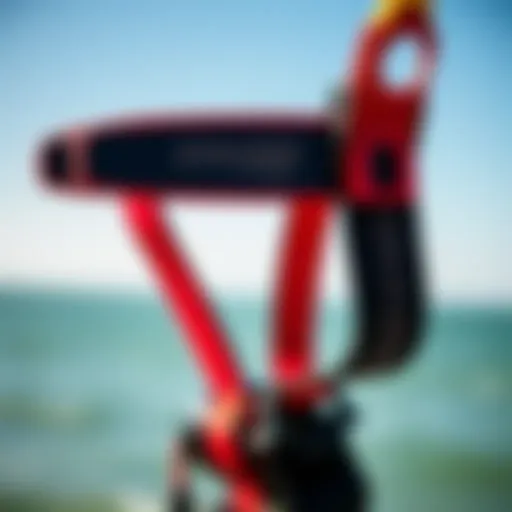
- Harness: A comfortable harness—preferably a seat harness for beginners—helps distribute pull evenly across your torso. A good option is the Core Fusion harness.
- Safety Equipment: Don’t skimp on a good helmet and impact vest. These will provide crucial protection, especially during those early days of learning.
These items create a complete setup that allows for a safer and more enjoyable entry into the sport. When you are just starting out, it’s better to invest a little more in the quality gear that can withstand the test of time.
Advanced Equipment for Experienced Riders
Once you have the basics down, stepping into the advanced gear category is essential to fine-tune your skills and take your riding to another level. Experienced riders often seek performance enhancements that suit their personal riding styles, such as:
- High-Performance Kites: As your skills improve, you may want to try the Core XR series, which offers fantastic speed and maneuverability while providing excellent lift.
- Specialized Boards: Freestyle, wave, and foil boards are designed for specific riding styles. For instance, the Core Free is perfect for those looking to get into freestyle riding.
- Upgraded Harness: A premium harness like the Core Kiteboarding Impact harness can offer better support and comfort during extended sessions.
It's critical to make an informed choice when selecting your advanced gear. Think about your riding style, conditions you most often encounter, and your personal preferences.
“The right gear not only enhances performance but also ensures safety, allowing for a more enjoyable riding experience.”
In this section, we have addressed the core essentials for beginners as well as advanced riders. Understanding the importance of gear will not only help you avoid common pitfalls but also enhance your overall experience in the kiteboarding realm.
Prologue to Core Kiteboards
When it comes to kiteboarding, the choice of equipment can make or break the experience. Core kiteboards have carved a niche in the market by providing not just reliable performance but also a sense of connection with the elements. The elegant design and engineering behind these boards are not mere aesthetic choices; they reflect years of experience and a deep understanding of what riders need. Whether you're carving through small waves or soaring high with the wind at your back, knowing what Core kiteboards offer is essential for anyone stepping into this exhilarating sport.
Kiteboarding is not just about the thrill; it's about the craftsmanship of the gear that enables such high-octane enjoyment in the first place. Core kiteboards are known for their diverse range of models that cater to different styles and skill levels. This means that whether you're a rookie just starting or a seasoned pro looking for the latest advancements, Core has something tailored for you. The very design principles influence not only how a board performs but also how it feels beneath your feet. This tactile connection is crucial in helping riders build confidence and improve their skills, paving the way for more advanced techniques.
Benefits of Understanding Core Kiteboards
- Tailored Performance: Each model is designed with specific riding styles in mind, ensuring that you have the right board for your needs.
- Material Innovations: By investigating the materials used in construction, riders gain insight into durability, weight, and responsiveness, all key factors for performance.
- Enhanced Riding Experience: Knowing the ins and outs of your board can help you make better decisions on the water, leading to more enjoyable outings.
"The right kiteboard is like a trusted partner on the water; it amplifies your strengths and guides you through the rough patches."
One consideration that may often be overlooked is the evolution of the sport itself. As kiteboarding grows, so too does the technology behind it. By exploring the innovations in Core kiteboards, riders can stay at the forefront of kiteboarding trends. Understanding these elements enables riders to not only select the ideal board but also adapt as their skills evolve. Having a board that aligns with your ambitions can facilitate a journey to mastering the sport. Throughout this article, we'll dive into the specifics, from design principles to the materials that keep Core kiteboards at the top of their game.
Understanding Kiteboard Design Principles
When diving into the world of kiteboarding, design principles play a pivotal role in dictating not only performance but the overall experience a rider has on the water. Kiteboarding isn’t merely a sport; it’s a blend of art and physics, where the contours of the board, materials utilized, and construction methods come together to create a harmonious riding experience. This section is aimed at shedding light on fundamental design elements that empower riders of all skill levels to make informed decisions when choosing their equipment.
Board Shape and Size Considerations
The silhouette of a kiteboard has significant implications on how it performs. Generally, the board’s length and width translate directly to its capabilities. For instance, a longer board often provides more stability and can handle rougher waters better. Conversely, a shorter board is usually more agile, making it apt for tricks and quick maneuvers.
When selecting a kiteboard, consider what sort of riding you intend to pursue. If you're tackling open water or hitting the waves, a larger board can aid in exploration and comfort. In contrast, if freestyle riding tickles your fancy, going for a board on the shorter side might amplify your ability to pull off dynamic tricks with speed and flair.
Additionally, the shape of the board's edges impacts how it interacts with water. A rounded edge tends to create a gentler ride, while sharper edges allow for more aggressive turns and faster speeds. Just like choosing the right tool for the job, selecting the right board shape is crucial to achieving your intended outcomes on the water.
Rocker Profiles: Importance and Impact
The rocker profile of a kiteboard is an often-overlooked aspect yet crucial in determining how a board behaves. Put simply, the rocker refers to the curvature of the board from nose to tail when viewed from the side. A board with a pronounced rocker is typically better equipped for riding in choppy sea conditions, as it allows the nose to rise above waves rather than diving into them, thereby enhancing control and comfort.
On the flip side, a flatter board provides more planing surface. This characteristic can result in increased speed and help riders achieve impressive heights while jumping. Think about it this way: a rocker profile that suits your riding style can significantly influence not just your performance but also your confidence on the water.
In summary, understanding the principles of kiteboard design is crucial for any rider. The nuances of shape, size, and rocker profile each serve a distinct purpose, impacting stability, speed, and maneuverability. Without this knowledge, choosing the right board could feel more like a roll of the dice than an educated decision. By taking these factors into consideration, you can tailor your kiteboarding experience to fit your aspirations and skill level, soaring toward new heights both literally and figuratively.
Materials Used in Core Kiteboards


When exploring the realm of Core kiteboards, understanding the materials that go into their construction becomes paramount. The combination of these materials not only affects the durability and overall performance of the board but also shapes the riding experience. As kiteboarders navigate the waters, the nuances of materials selection speak volumes about the craft they are relying on. Each type of composite brings its own characteristics to the table, influencing speed, flex, and responsiveness.
High-Quality Composites in Construction
The essence of any kiteboard relies heavily on the composites used in its construction. Core kiteboards often utilize materials such as carbon fiber, fiberglass, and specialized resins. Carbon fiber, known for its exceptionally high strength-to-weight ratio, provides rigidity while keeping the weight low. This characteristic is particularly advantageous for riders who cherish speed and precision.
High-quality fiberglass adds a layer of versatility, allowing for different flex characteristics based on the riding style. The combination of these composites often results in a board that is not just tough but also adaptable to the varying demands of different riders.
Key Benefits of High-Quality Composites:
- Lighter Weight: Higher performance without unnecessary heft, enhancing maneuverability.
- Increased Durability: Resistance to wear and tear, extending the lifespan of your equipment.
- Custom Flex Options: Different fabrications allow riders to choose based on personal styles.
Selecting the right composite ensures that every ride feels dynamic and responsive, reflecting the skill and intensity of the rider. A well-made kiteboard can take a rider from novice maneuvers to exhilarating jumps and tricks, reinforcing the importance of quality materials in the equation.
Sustainability in Kiteboard Manufacturing
In today’s world, sustainability stands as both a challenge and an opportunity in kiteboard manufacturing. Many manufacturers, including Core, are keenly aware of their environmental impact. The shift towards using recycled materials and eco-friendly practices symbolizes a commitment to preserving the environments we love to ride in.
Today, some kiteboard brands incorporate sustainable practices that range from sourcing eco-friendly resins to employing biomass materials in their construction. These innovations are designed to minimize pollution and energy consumption, ensuring that the vibrant marine ecosystems remain intact for future generations.
Consider these aspects when thinking about sustainability in kiteboarding:
- Eco-Friendly Materials: Implementation of composites derived from renewable resources.
- Manufacturing Processes: Adoption of energy-efficient technologies that reduce waste.
- Service Life: Boards built to last, reducing the need for frequent replacements.
Choosing a kiteboard made with sustainable methods does not merely contribute to a greener planet; it reflects a rider's values and their commitment to preserving the thrill of the sport. As kiteboarding continues to evolve, so must the understanding and applications of materials that respect both the rider and the natural world.
"The materials chosen for a kiteboard influence not only its performance but also the environmental footprint left behind. Making informed choices can lead to an exhilarating ride without compromising our planet."
By becoming knowledgeable about these materials, kiteboarders can make choices that align with their performance goals and eco-conscious values.
Performance Characteristics of Core Kiteboards
When it comes to enjoying an exhilarating day on the water, few things rival the performance characteristics of core kiteboards. These intricate pieces of gear are designed not just to float and glide, but to respond with finesse to a rider's every command. Understanding how these boards perform can significantly shape your overall experience in kiteboarding, impacting everything from speed to stability.
Performance characteristics often dictate how well a kiteboard handles in varying conditions. Key elements like speed can be thrilling, while maneuverability may allow for impressive tricks or smooth turns. When the wind picks up or conditions shift, knowing how your kiteboard will respond becomes crucial for both safety and enjoyment.
Speed and Maneuverability Analysis
Speed is one of those elements that gets every kiteboarder’s heart racing. A kiteboard that excels in speed will cut through the water like a hot knife through butter. You want to feel that adrenaline rush as you skim across the surface, propelled by the wind's power. However, speed isn’t just about raw power; it’s also about how quickly you can control that speed.
Maneuverability comes into play when you’re gliding through the air or performing tricky maneuvers. The best boards often strike a fine balance; they are nimble enough to execute fast turns while maintaining impressive acceleration. Some boards are designed with a narrower outline, which allows for sharper turns, while others favor a broader shape that enhances stability at higher speeds. No two rides are the same, and understanding how your board performs across these dimensions is vital.
- Key Factors:
- Board shape influences speed.
- Width affects stability and turning.
- Fins need to be considered for grip in different conditions.
"A well-designed kiteboard will feel like an extension of your body – sharp turns, smooth glides."
Stability and Control Features
Stability while kiteboarding is paramount, especially when navigating choppy waters or gusty winds. A board that offers remarkable stability allows you to focus on your riding technique rather than worrying about whether you’ll wipe out at the next wave. The design elements contributing to this stability include width, rocker, and weight distribution.
Control is equally essential. A kiteboard must respond predictably to your movements. An unstable board can lead to careless falls or, at worst, serious injuries. Brands like Core pride themselves in producing boards that not only cater to the need for speed but also uphold a solid framework for control.
- Stability Enhancements:
- Wider boards generally provide better balance.
- Low rocker profiles may help maintain speed on flat waters.
- Weight distribution can make a difference in how the board reacts to shifts.
In the end, performance characteristics mold the rider's journey on the waves. As you contemplate your new core kiteboard, think carefully about what aspects of performance resonate with your own style. Understanding these features can take you a long way in enhancing your kiteboarding experience.
Types of Core Kiteboards for Different Styles
When it comes to optimizing your kiteboarding experience, understanding the various types of Core kiteboards available is pivotal. Each style is crafted to cater to distinct riding preferences and conditions. Recognizing these differences can greatly enhance performance and joy on the water, ensuring that whether you’re darting across flat seas or carving through waves, you have the right board beneath your feet.
Freeride Kiteboards: An Overview


Freeride kiteboards are often seen as the versatile athletes of the kiteboarding world. Their design is typically characterized by a balanced outline that fosters ease of use. One of the biggest perks is the wide range of conditions they can handle. From flat water to choppy seas, these boards can navigate whatever Mother Nature throws your way.
Freeride boards generally feature medium flex and can come in various sizes, enabling riders to find their ideal fit. They are particularly suitable for beginners who are starting to refine their skills but also serve experienced riders looking for a straightforward board to enjoy a laid-back session.
Some of the essential aspects of freeride kiteboards include:
- Stability: They provide a solid platform for learning tricks without excessive bounce.
- Speed: With streamlined shapes, they can get up on the plane quickly.
- Comfort: A softer flex offers a more forgiving ride on rough water.
Freestyle and Performance Models
While freeride kiteboards make for a comfortable and versatile choice, if you are an adrenaline junkie seeking to push your limits, freestyle and performance models might be more your speed. These boards are tailored explicitly for aerial maneuvers and advanced tricks, boasting sharper edges and a stiffer flex. This construction allows riders to pop off the water with greater ease and execute technical tricks with confidence.
One defining quality of freestyle models is their increased rocker profile. This design facilitates rapid transitions and landing stability, making those mid-air tricks feel more controlled. Riders should keep in mind that due to their specialized nature, these boards might not deliver the same comfort in choppy waters as freeride boards do.
Some points of focus for freestyle and performance models include:
- Tighter turning radius: This ensures agility during tricks.
- Higher grip: Sharp edges allow for better control during take-offs.
- Stiffness: The rigidity aids in pop-off power.
Wave Kiteboards: Tailored Designs
For those drawn to the rhythm of the ocean waves, wave kiteboards are purpose-built tools that enhance riding experience in surf conditions. Each wave board is designed to work with the shifting patterns of the ocean, allowing for smooth tracking and control while carving up the waves.
These boards tend to have a narrower outline compared to their freeride counterparts, often featuring a pronounced rocker to help riders navigate steep waves without losing speed. Additionally, they may come with thruster or quad fin setups, promoting responsiveness in challenging water situations.
Key features of wave kiteboards include:
- Dynamic shapes: They adapt well to variable surf conditions.
- Enhanced drift: This allows riders to maintain speed while maneuvering.
- Durability: Built to withstand the wear and tear of ocean sessions.
Understanding and selecting the right kiteboard tailored to your style makes all the difference in maximizing your experience, whether you’re gliding across flat waters, executing tricks in freestyle, or riding the waves with precision.
Choosing the Right Core Kiteboard
Selecting the right core kiteboard can make or break your kitesurfing experience. The way you ride, the conditions you face, and your personal preferences all play crucial roles. Choosing the appropriate board is akin to finding the right pair of shoes; they shouldn't just look good, they also need to fit well and serve their purpose. The right kiteboard can help you get the most out of your sessions, ensuring that you ride comfortably while giving you the control, speed, and performance you want.
Factors to Consider Based on Skill Level
Understanding your skill level is paramount in making a well-informed decision. Each rider has different needs, whether you're just starting, hitting the waves, or performing tricks. Here are some elements to consider:
- Beginners: If you're new to the sport, you might want a board that offers stability and ease of control. A larger board typically provides better support in the water, making it easier to balance.
- Intermediate Riders: As you gain confidence, consider a board that allows for more maneuverability and speed. Here, a mid-sized board with a decent rocker might suit you, letting you progress into more advanced techniques.
- Advanced Kitesurfers: For the seasoned riders, performance is key. A smaller, lighter board may give you the agility needed to perform tricks. Look into high aspect ratio boards that promote speed and responsiveness.
Don't forget – local conditions matter too. If you're often in choppy waters, a board with good upwind capability is essential. Likewise, if you're in flat water, you can focus more on speed and performance.
Personal Preferences and Riding Style
Your riding style is as unique as you are; it's how you express yourself on the water. As such, selecting the right kiteboard should reflect your individual preferences.
- Freeride Enthusiasts: If you enjoy a mix of cruising and thrill-seeking, you might opt for a freeride board. These boards often strike the right balance between speed and stability, allowing for a more casual ride while still accommodating jumps and tricks.
- Freestyle Riders: If your goal is to master flips, spins, and other tricks, a freestyle board will likely serve you best. These are typically shorter and stiffer, allowing sharp turns and explosive pop-off the water.
- Wave Riders: In contrast, if you spend most of your time in the waves, look into a wave-specific board. These are designed to handle turbulence and allow for sharp turns on the face of the wave, enhancing your surfing experience.
"Your kiteboard should be an extension of you. Choose wisely, and every ride will be a memorable one."
When selecting, also take into account your favorite riding locations. Do you prefer flat water, or do choppy conditions excite you? This will also dictate which type of core kiteboard will serve your goals best.
In summation, while various factors can guide you in choosing the right core kiteboard, self-awareness is key. Knowing your skill level, understanding your riding style, and adapting to local conditions will empower you to make the best choice. Ultimately, a kiteboard should enhance your experience on the water, enabling you to ride with confidence and joy.
Maintaining Core Kiteboards for Longevity
Maintaining your core kiteboard is not just about keeping it looking sharp; it’s about prolonging its life and ensuring that every ride is as exhilarating as the last. These boards are often subjected to harsh conditions—saltwater, sand, and the wear and tear from frequent use. Therefore, taking the time to care for your kiteboard can significantly enhance its performance and durability. Keeping up with maintenance means you can rely on your board when it matters most, whether you’re carving waves or catching air. With that in mind, let's dive into the key practices that every kiteboarder should keep in mind.
Cleaning and Storage Best Practices
After an exhilarating day on the water, it’s tempting to just toss your board in the shed and call it a day. However, proper cleaning is crucial to avoid long-term damage. Here’s a straightforward routine that you can adopt:
- Rinse with Fresh Water: Always rinse the board with fresh water to remove salt and sand. Salt can corrode the materials over time, while sand can scratch the surface. Don’t skimp on this step, no matter how exhausted you are!
- Gentle Scrubbing: If you notice stubborn dirt or grime, use a non-abrasive sponge and some mild soap. Avoid using harsh chemicals which can harm the board’s finish.
- Dry Completely: Before storing, ensure the board is completely dry to prevent any mold or mildew buildup. You can let it air dry or use a soft towel.
- Temperature Control: Store your kiteboard in a cool, dry place. Fluctuations in temperature or humidity can warp the board. A temperature-controlled environment is ideal.
Remember: Treat your board right, and it will treat you back. Taking just a few minutes to clean can save you a headache down the line.


Repairs and Upgrades: What You Need to Know
No matter how careful you are, wear and tear are simply part of the sport. However, addressing repairs timely can make all the difference. Here’s a breakdown of repairs and upgrades every kiteboarder should consider:
- Inspect Regularly: After every session, check for dings, scratches, or delaminations. A small crack can quickly escalate if left unchecked.
- DIY Repairs: If you find minor damages like scratches, you can often fix these with some sandpaper and sealant. Epoxy is your best friend here—it's easy to use, and a simple application could extend your board's life.
- Professional Help: For more significant repairs, don’t hesitate to consult a professional. It can be a little pricey, but it’s better than having your board turn into an expensive piece of furniture.
- DIY Upgrades: Thinking of enhancing your ride? Upgrading fins or foot straps can give your kiteboard a new lease on life without the cost of a brand-new model. Think of your board as a canvas; sometimes, a little tweak can lead to a masterpiece.
- Stay Updated: The kiteboarding industry is always evolving. Research and stay abreast of the latest technology and upgrades in the marketplace. Maybe those additional features you consider indulgent today could be game changers tomorrow.
Taking the initiative to maintain and upgrade your kiteboard can lead to a smoother ride and less frequent replacements. Remember, the key to enjoying the thrill of kiteboarding lies in the health of your gear.
Recent Innovations in Kiteboarding Technology
The world of kiteboarding is continuously evolving, with innovations appearing at a whirlwind pace. These advancements aren't just about flashy new designs; they fundamentally enhance the riding experience. Understanding recent innovations sheds light on how the sport is not only becoming more enjoyable but also safer and more efficient. This article section dives into two key areas of innovation: inflatable designs and smart kiteboarding equipment, providing insights into their benefits and implications.
Inflatable Designs and Their Benefits
Inflatable designs have significantly influenced the kiteboarding landscape. They offer unique advantages that traditional hard kites simply can't match. The popularity of inflatable kite designs has soared, and for good reason:
- Portability: Inflatable kites are more compact when deflated, making them easy to transport. Enthusiasts can fit them in small bags, which simplifies traveling to kiteboarding hotspots.
- User-Friendliness: These kites are generally more stable and forgiving for newer riders. Their design helps minimize crashes and allows for easier recovery, making each session less stressful.
- Versatility: Inflatable kites perform well in a wide range of conditions. This adaptability ensures that riders are not limited to certain wind speeds or types of water.
"Inflatable kites have changed how we approach different wind conditions — they broaden the spectrum of what’s possible on the water."
Each of these benefits serves important roles in fostering an inclusive kiteboarding community, catering to beginners as well as seasoned veterans. With inflatable designs, riders can push their limits and explore new styles without the constant fear of breaking gear or getting hurt.
Smart Kiteboarding Equipment
In recent years, technology has seeped into almost every aspect of our lives, and kiteboarding is no exception. Smart kiteboarding equipment incorporates cutting-edge technology that can dramatically enhance performance and safety:
- GPS Tracking: Many modern kites and boards come with built-in GPS capabilities. This allows riders to track their performance metrics, like speed and altitude, which can be invaluable for honing skills and setting personal records.
- Smart Sensors: These devices can monitor various parameters, such as wind speed and pressure, enabling riders to make real-time adjustments to their setups for optimal performance. Imagine having a board that communicates directly with your kite, ensuring you're always riding at your best!
- Connection with Apps: Some equipment syncs with mobile applications. This offers riders a platform for analysis, allowing for sharing experiences and connecting with a broader community.
As kiteboarding evolves, these smarter systems enhance not only performance but safety. Riders can now make data-driven decisions that minimize risk and maximize enjoyment on the water.
In summary, the recent innovations in kiteboarding technologies are more than just trends; they represent a significant shift in how riders engage with the sport. The incorporation of inflatable designs and smart tech into equipment has created a more inviting and enjoyable environment for kiteboarders of all stripes.
Future Trends in Core Kiteboarding
The world of kiteboarding is ever-evolving, reflecting a shift in trends influenced by technology advancements and user preferences. Understanding the future trends in core kiteboarding is not just about anticipating the next best board. It’s about recognizing the broader landscape that shapes kiteboarding culture, performance, and community involvement. This section dives into emerging markets and innovations to grasp how these elements can enhance your riding experience.
Emerging Markets and Innovations
As kiteboarding gains traction worldwide, new markets are sprouting up beyond the traditional hotspots. Places like India, Brazil, and even certain regions of Africa are becoming playgrounds for kiteboarding enthusiasts. This rise brings a diversity of techniques and styles that enrich the sport. Here are key trends influencing these emerging markets:
- Access and Education: Schools and workshops in these regions are opening doors for beginners. They focus on safety education and skill development to cultivate a new generation of riders.
- Diverse Equipment Customizations: Local manufacturers are stepping up, developing boards suited for varying conditions and rider preferences. This bespoke approach can appeal to both local enthusiasts and visiting kiteboarders.
- Sustainability Focus: With increasing awareness of environmental issues, kiteboard manufacturers are adopting eco-friendly practices, such as using recycled materials. This innovation could be a game-changer for the industry and lifts community spirits by promoting responsible riding.
Moreover, innovation in materials continues to evolve. Boards made from lightweight, durable composites are now common, enhancing performance and making riding a hassle-free experience. Besides, inflatable boards are gaining popularity, offering portability and ease of transport—ideal for the adventure traveler.
Community and Competitive Elements
The kiteboarding community thrives on connection, competition, and camaraderie. With various clubs, competitions, and social media groups, riders share gear tips, tricks, and experiences, strengthening ties within the sport. As kiteboarding merges with other action sports, there’s a noticeable blending that increases competition.
Here are some noteworthy aspects of the community and competitive elements:
- Local Competitions: Events are being held in burgeoning markets, which helps spotlight local talent while fostering community spirit. These competitions can serve as a platform for sponsors scouting promising riders.
- Online Communities: Platforms like Reddit and specialized Facebook groups amplify discussions surrounding gear innovations, riding tips, and local spots to ride. The exchange of ideas in online communities fills a critical gap, especially for those in less-accessible regions.
- Gender Inclusivity: The trend of increasing female representation within competitive kiteboarding has gained momentum. Events tailored to women riders are fostering an inclusive environment, empowering more participants to take up the sport.
Harnessing these trends helps highlight kitesurfing’s accessibility and ensures it remains a vibrant and dynamic part of the extreme sports landscape.
In summary, the future of core kiteboarding looks promising, driven by emerging markets, technological advancements, and a spirit of community. As kiteboarders, staying attuned to these trends can enhance not only personal performance but also contribute to the growth and sustainability of this exhilarating sport.
Ending: The Evolving Landscape of Kiteboarding
Kiteboarding is not just a sport; it’s a dynamic intersection of technology, community, and personal expression. The landscape of kiteboarding is constantly shifting, influenced by the latest innovations and changing trends. As we wrap up our exploration of Core Kiteboards, it's crucial to emphasize the significance of understanding this evolving reality.
The core of effective kiteboarding lies in the equipment used. Core Kiteboards are tailored to enhance performance, stability, and rider experience. With ongoing innovations in materials and design, kiteboards are becoming lighter, stronger, and more user-friendly. The rise of smart technology — integrating sensors and data analytics — means that kiteboarders can optimize their performance like never before.
Key Elements to Consider
- Adapting to New Technologies: Kiteboarding will benefit from advancements such as inflatable designs that prioritize portability without compromising performance. As riders, remaining abreast of these changes can significantly enhance your time on the water.
- Diverse Riding Styles: The range of kiteboard models caters to different styles — from freestyle to wave riding. This diversity allows each rider to find a board that complements their unique approach, making the experience more pleasurable and effective.
- Community and Culture: The kiteboarding community is an essential aspect of this sport. Competitive events, local meet-ups, and online forums foster a spirit of camaraderie. Engaging with this community can even provide insights into the latest products and techniques, making the sport increasingly accessible to newcomers.
"Kiteboarding has transformed from a niche pastime into a global phenomenon, driven by innovation and inspired by a diverse community."
Looking Ahead
The future of Core Kiteboarding hinges on sustainability and inclusivity. As the impact of global warming becomes more pronounced, there’s a push for environmentally friendly materials in production. Consumers are increasingly favoring brands that align with responsible practices. Likewise, ensuring that the sport remains accessible and welcoming will draw in new riders who can contribute to the vibrant community.