The Essential Role of Wet Suits in Cold Water Kiteboarding


Intro
When it comes to cold water kiteboarding, the right wet suit can make all the difference. It's not just about looking the part; it’s also about safety, comfort, and maximizing performance. Many riders may underestimate how essential a wet suit is until they face chilly winds and frigid water. With the right knowledge, kiteboarders can enhance their overall experience on the water, ensuring they remain warm and agile. The purpose of this guide is to explore the critical aspects of wet suits, from material selection to expert recommendations.
Gear and Equipment
Essential Kiteboarding Gear for Beginners
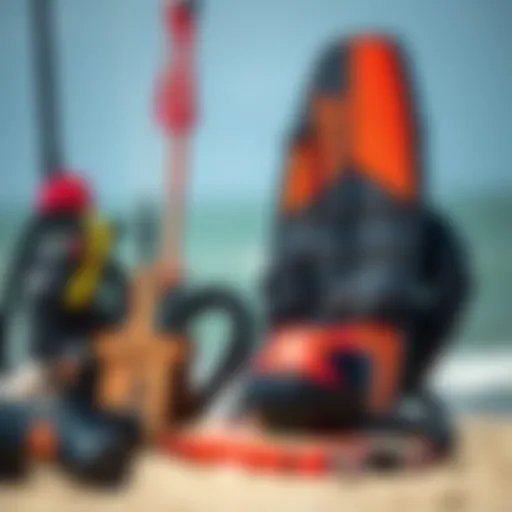
For those just dipping their toes into the kiteboarding scene, gathering the necessary gear can feel daunting. A proper wet suit tops the list, but there's more involved. Here are a few essentials every beginner should consider:
- Kite: A reliable, user-friendly kite is crucial. Look for something that suits your skill level.
- Control Bar: This allows you to maneuver the kite effectively.
- Harness: A comfortable and secure harness ensures you can ride without straining.
- Safety Leash: This is a must for self-rescue and safety.
- Wet Suit: The wet suit should provide insulation, flexibility, and the right fit.
By investing in quality equipment right from the start, beginners set themselves up for a more enjoyable and safe experience.
Advanced Equipment for Experienced Riders
Once you've mastered the basics, you may want to upgrade your gear as you improve your skills on the water. Here’s a list of more advanced equipment:
- High-Performance Kite: As your skills grow, so does the need for a kite that matches your level.
- Twintip Board: This is great for versatility in the water.
- Impact Vest: Provides extra protection while still allowing freedom of movement.
- Specialized Wet Suit Features: Look for suits with reinforced knees, thermal linings, or even integrated buoyancy aids.
Investing in advanced gear will not only give you an edge in performance but also boost your confidence as you take on new challenges.
Techniques and Tips
Safety Practices for Kiteboarding
The thrill of kiteboarding comes with its hazards, especially in colder waters. It’s vital to adhere to a few safety practices:
- Buddy System: Always ride with a partner, especially in challenging conditions.
- Weather Awareness: Before hitting the water, check wind conditions and temperature.
- Rescue Training: Knowing how to self-rescue can be a lifesaver.
- Proper Licensing: Be aware of local regulations that may require certification.
Adhering to these practices can keep you and fellow riders safe, ensuring a fun time on the water without unnecessary risks.
Training Techniques to Improve Your Skills
As in any sport, consistent training is key for improvement. Here are ways to step up your kiteboarding game:
- Regular Practice: Consistency in practice sharpens technique and builds muscle memory.
- Video Analysis: Record your sessions to understand your strengths and weaknesses.
- Join a Community: Engaging with other kiteboarders can provide helpful tips and motivation.
Whether you're a beginner or an experienced rider, continually honing your skills is essential for a fulfilling kiteboarding experience.
Culmination
Choosing the right wet suit is integral for cold water kiteboarding. The right fit, material, and features can significantly enhance comfort and performance. Whether you're just starting or looking to refine your technique, proper gear and safety practices will fuel your passion for this thrilling sport.
For further information and updates on kiteboarding gear, techniques, and more, consider checking out resources like Wikipedia, Britannica, or community forums on Reddit. Engaging with these platforms can broaden your understanding and keep you in the loop on current trends.
Understanding Cold Water Conditions
When kiteboarding in colder regions, it's fundamental to grasp what constitutes cold water and how those chilly temperatures affect physical comfort. The waters might look inviting, but the actual temperatures can send a chill down your spine if you're unprepared. Understanding cold water conditions will equip you with knowledge to make informed decisions and ultimately enhance your kiteboarding experience.
Defining Cold Water
Cold water can be somewhat subjective, but generally, temperatures below 60°F (or 15°C) are considered cold for water sports. However, what feels cold to one kiteboarder may not feel the same to another. Factors like wind chill, moisture content, and even personal tolerance to cold come into play. For instance, a novice rider might feel discomfort at 60°F, while seasoned athletes might thrive in even lower temperatures. The key takeaway is knowing your own limits and that of your gear.
A well-informed kiteboarder prepares for cold water conditions by keeping track of temperature fluctuations and being aware of the water's effect on body heat.
Impact of Water Temperature on Physical Comfort
Water temperature greatly influences not just comfort but also performance. Cold water can sap body heat quickly, often leading to hypothermia if adequate precautions aren't taken. This term refers to a significant drop in body temperature, where normal bodily functions begin to fail. Symptoms can range from fatigue and confusion to decreased dexterity; not exactly the best state to be in while trying to keep control of a kite!

In colder waters, even something like a fierce gust of wind can amplify the discomfort, dragging down body warmth faster than you can blink. Therefore, even brief exposures can turn into rather uncomfortable experiences without the right wet suit.
Adopting adequate gear, such as a proper wet suit, becomes essential. A good wet suit not only insulates but also acts as a barrier against the elements. Regular checks on body temperature before, during, and after kiteboarding sessions can help prevent distress, ensuring that the thrill of riding isn’t overshadowed by the cold.
"Knowledge is power; understanding your environment is key to making the most of your kiteboarding adventure."
In summary, recognizing what cold water means and how it affects you isn’t just about comfort—it’s about safety and maximizing your experience on the water.
Staying aware of your environment and arming yourself with the right information and equipment can keep your kiteboarding sessions both exciting and secure, even in less-than-warm temperatures.
The Role of Wet Suits in Cold Water Sports
When it comes to kiteboarding in frigid waters, a good wet suit isn’t just an accessory—it's a lifeline. Proper wet suits serve as more than mere protection; they embody a complex blend of insulation, buoyancy, and flexibility tailored for cold water sports. As kiteboarders sprint into crashing waves, their gear needs to perform, shielding them against harsh elements while maximizing mobility. Without the right wet suit, riders are at risk of not just discomfort, but hypothermia and other safety hazards.
Wet suits play a crucial role in ensuring a safe and enjoyable experience on the water. By creating a barrier between the body and chilly water, they retain a thin layer of water that the body heats up, thus providing thermal insulation. This is vital for riders craving those exhilarating moments, as the cold can quickly sap energy and focus, resulting in poor performance.
Key Functions of Wet Suits
Wet suits are designed with specific functions that cater to the unique demands of cold water kiteboarding. Understanding these key functions can help you make informed decisions about your gear.
- Insulation: The primary function of a wet suit is to keep the body warm. The neoprene material traps a thin layer of water close to the skin, which is warmed by body heat, creating a cozy microclimate. Depending on the thickness and type of neoprene, different suits provide varying levels of insulation. A 4/3 mm wet suit, for instance, is better suited for cold conditions than a 3/2 mm suit.
- Buoyancy: Wet suits provide some degree of buoyancy, making it easier to stay afloat. This feature is particularly beneficial when the kiteboarder falls in the water. It aids in keeping the rider’s head above water, offering a safer experience in potentially troubling conditions.
- Flexibility: A wet suit must be flexible enough to allow for a full range of movement. Kiteboarding involves a series of rigorous maneuvers, and constricting gear can quickly dampen the thrill of the sport. High-quality wet suits are engineered to offer the best flexibility without compromising on protection.
- Protection from UV Rays and Marine Life: In tandem with warmth, wet suits shield riders from harmful UV radiation, which can be quite intense even on cloudy days. They also provide a barrier against the occasional sting from jellyfish or scratches from sharp objects lurking beneath the water, thus enhancing safety.
Maintaining Body Temperature
Keeping body temperature regulated during cold water kiteboarding is no small feat. Typically, the risk of hypothermia increases significantly in water temperatures below 70°F (21°C). With a well-fitting wet suit, the risk diminishes. A good wet suit is crucial for achieving thermal comfort, as even a short period in cold water can have severe consequences.
Key considerations for maintaining body temperature include:
- Wet Suit Thickness: As mentioned, thicker suits provide more insulation but can be less flexible. It’s essential to strike a balance based on expected water temperatures and personal sensitivity to cold.
- Seam Sealing: The type and quality of seams play a role in thermal efficiency. Sealed seams not only prevent water from seeping in but also add an extra layer of warmth. Blind-stitched seams, which are stitched without going all the way through the material, greatly reduce water flow into the suit.
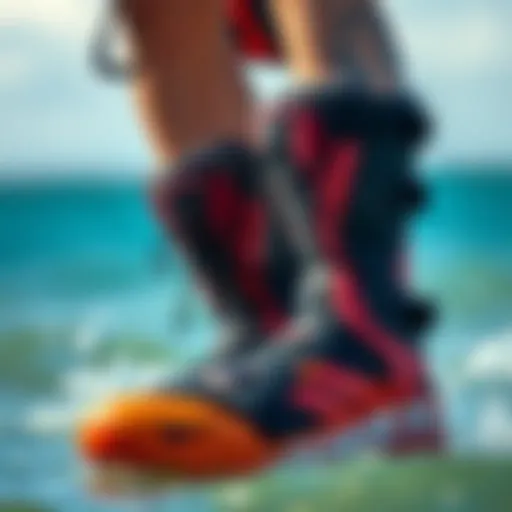
- Layering Strategy: Some riders opt for additional accessories such as hoods, gloves, and boots, which can significantly enhance thermal protection. These components work in unison with the wet suit to prevent heat loss from extremities.
"The foundation of thrill in kiteboarding lies in ensuring comfort and safety through proper gear choices."
In summary, wet suits are indispensable for those venturing into cold water kiteboarding. Their numerous functions—from insulation to safety—make them a cornerstone of the sport. Riders who understand and appreciate these elements are more likely to enjoy their time on the water, regardless of how cold it gets.
Materials Used in Cold Water Wet Suits
Choosing the right materials for a wet suit is essential for cold water kiteboarding. The relationship between material and performance cannot be overstated; it often determines not only comfort but also safety while you're out on the waves. Wet suits need to effectively insulate against cold temperatures, allowing riders to perform at their best without the looming threat of biting chill. Understanding the properties and capabilities of different materials can help kiteboarders and outdoor enthusiasts make informed decisions about their gear.
Neoprene: The Standard Choice
Neoprene has long been the go-to material for the construction of wet suits, and for good reason. This synthetic rubber offers a remarkable range of flexibility while simultaneously providing insulation. The composition of neoprene allows it to trap an insulating layer of water between the suit and your skin, which gets warmed up by your body heat. This is valuable, especially in colder waters, where exposure can lead to discomfort or even hypothermia.
The thickness of neoprene often ranges from 3mm to 7mm, directly correlating with the water temperature in which you’re riding. For instance:
- 3mm: Ideal for cool yet not frigid waters.
- 5mm: Suitable for colder conditions, striking a balance between warmth and mobility.
- 7mm: Best for the coldest environments, where both insulation and buoyancy become crucial.
However, not all neoprene is created equal. The market has evolved to include different types of neoprene like eco-friendly versions, created to reduce environmental impact without compromising performance. As such, riders might want to consider the balance between personal ethics and performance when making a choice.
"Choosing the right thickness and quality of neoprene can mean the difference between an enjoyable ride and a race against the clock for warmth."
Alternative Materials and Their Benefits
While neoprene remains a popular choice, alternative materials have emerged that offer unique benefits. Many manufacturers have started to integrate specialized fabrics and technologies aimed at enhancing performance and comfort. Some of these materials include:
- Yamamoto Neoprene: A natural rubber that provides greater thermal efficiency and less bulk.
- Glued and Blind-Stitched Seams: Reducing water entry and enhancing insulation without the use of traditional stitching that can compromise waterproof quality.
- Ecolast Fabric: Made from recycled materials, it brings functionality without adding to the environmental burden.
These alternatives often go a step further in ensuring warmth without sacrificing flexibility. For example, the Yamamoto neoprene often feels lighter and allows for greater freedom of movement compared to traditional neoprene. Plus, advancements in seam technology, like blind-stitched seams, are designed to keep cold water at bay while preserving the flexibility that kiteboarders need during rigorous maneuvers.
It's worth noting that producing wet suits with innovative materials may come at a higher price point, but the investment can be justified by the performance gains and comfort they offer in cold water conditions.
In summary, when selecting a wet suit, it's pivotal to consider the material along with its properties and how it aligns with your personal riding style and the typical conditions you expect to face in the water. A thoughtful approach to material selection plays a crucial role in ensuring a safe, enjoyable, and high-performance experience.
Selecting the Right Fit
Getting the right fit for your wet suit goes beyond personal preference; it directly impacts your performance and safety while kiteboarding in cold water conditions. A wet suit that fits well should act like a second skin, providing insulation without restricting your movement. This section dives into the delicate balance between comfort and functionality.
Importance of Proper Fit
A properly fitted wet suit serves a range of essential functions. First and foremost, it keeps you warm by minimizing water flow between the suit and your skin. Cold water can sap your body heat rapidly. An ill-fitting wet suit, whether too loose or too tight, will either allow chilly water to enter or restrict your movement.
Not only that, when you're out on the water, you want to focus on your ride, not struggle with your gear. If your wet suit doesn't conform to your shape, it can become an unwelcome distraction. This aspect is particularly crucial for kiteboarders who depend on fluid movements—every twist and turn should feel natural.
Another point to consider is that a good fit often enhances your overall buoyancy. A snug suit promotes flotation, making it easier to stay on the surface when you're resting or recovering from a fall. In short, a well-fitted wet suit brings together warmth, comfort, and buoyancy, allowing you to enjoy your kiteboarding experience without distractions.
How to Measure for a Wet Suit
Measuring yourself for a wet suit might seem intimidating, but it doesn't have to be. Here’s a simple guide to help you get it right:
- Height: Stand tall and measure from the top of your head to the soles of your feet. Knowing your height helps you choose the correct size category.
- Chest: Wrap a measuring tape around the fullest part of your chest. Make sure the tape is snug but not overly tight.
- Waist: Measure around your natural waist; this is typically just above your belly button. Again, ensure the tape is fitted comfortably.
- Hips: For this, measure at the widest part of your hips, ensuring that you are standing straight and not puffing your stomach out.
- Inseam: Use a comfortable pair of pants to measure from your crotch to the bottom of your ankle. This dimension helps in ensuring leg length well fits.
Once you have these measurements, compare them against the sizing chart provided by the wet suit manufacturer. Remember, different brands may have different sizing systems, so consult their specific guide for accurate fitment information.
If you find yourself between sizes, it’s generally recommended to choose the smaller size for a more snug fit, as wet suits stretch and conform to your body over time.
Always try on a wet suit before buying if possible, and perform some trial movements to ensure it allows for the full range of motion.
Ensuring that you have the right fit for your wet suit is not just about comfort but also about maximizing your overall kiteboarding performance. With the right measurements, you can enjoy your time on the water without unnecessary hassle or worry.
To further your knowledge on proper measurement techniques, consider visiting American Red Cross or Wikipedia's article on wetsuits, where they delve into related topics.
Features to Consider in a Cold Water Wet Suit
When kiteboarding in chilly waters, choosing the right wet suit can make all the difference between an enjoyable session and a frigid wake-up call. Several features should catch your eye when selecting a wet suit tailored for cold water kiteboarding. Understanding these aspects ensures you're well-equipped to handle the elements while maintaining comfort and mobility.
Thickness and Insulation Levels
One of the first features you must look at is the thickness of the wet suit. Generally, cold water wet suits range between 3mm to 6mm in thickness, with varying insulation levels. A thicker suit provides more insulation, helping to retain body warmth during prolonged exposure to cooler temperatures. Typically, a 4/3mm wet suit (4mm in the torso and 3mm in the extremities) serves as a great compromise for moderate cold waters, while a 5/4mm or even thicker options are better suited for those icy, biting conditions.
When selecting a thickness, consider the following:
- Water Temperatures: Generally, 3mm suits are ideal for water temperatures above 60°F (15°C), while 5mm is recommended for temperatures below 50°F (10°C).
- Duration of Activity: If you plan on being in the water for long stretches, a thicker suit might be a necessity for heat retention.
- Personal Comfort: Everyone has a different tolerance for cold; some might feel comfortable in a thinner suit while others might prefer extra insulation.
A properly thickened wet suit not only provides insulation but also helps with buoyancy and movement, essential when you’re out there riding the waves.
Seams and Their Importance
The seams of your wet suit play an understated but crucial role in its overall efficiency. There are different seam constructions, and their quality can significantly affect warmth and waterproofing. The primary types you'll encounter include flatlock seams, blind stitched seams, and sealed seams.
- Flatlock Seams: These are the most basic type and involve overlapping the fabric with visible stitches. While they are strong, they are not completely waterproof. They may be acceptable for warmer waters but lack in colder conditions.
- Blind Stitched Seams: This process hides the stitches inside the suit, providing a better seal against water. These are commonly found in cold water wet suits and offer a balance of durability and insulation.
- Sealed Seams: This is the top-tier construction. Taping is applied to the outside or inside of the seams, preventing any water from seeping through. If you’re serious about staying warm during those frigid kiteboarding adventures, it’s wise to invest in a suit with sealed seams.
Understanding the different seam types will also help you weigh the importance of flexibility versus insulation, as some constructions offer flexibility at the expense of water resistance.
Closure Types and Their Functionalities
Wet suit closures are not merely a design feature; they hold functional significance. You’ll typically find three types of closures: back zippers, chest zippers, and zip-free suits. Each type has its own benefits and considerations.
- Back Zipper: Commonly found in many suits. It allows for easy entry and exit, which can be handy when you're gearing up at the beach. However, back zippers can sometimes let in more water compared to other types, so consider this if you’re riding in extremely cold temps.
- Chest Zipper: These suits open at the front, offering a tighter seal around the body. They often allow for better flexibility and less water ingress, yet they might be trickier to put on.
- Zip-Free: While more expensive, these suits eliminate zippers altogether to ensure an uninterrupted seal. This feature optimizes warmth but may require more effort to put on and take off.
Ultimately, the closure design you opt for will hinge on your comfort, accessibility, and how much water you’re willing to let in.
It's worth remembering that every feature in a wet suit is designed with a purpose. Prioritizing these elements ensures that you’re not just well-equipped, but you’re also able to enjoy every minute spent on the water.


Choosing the right wet suit features is key to optimizing your performance and safety while kiteboarding in cold waters. The elements can be challenging, but with a well-fitted, thoughtfully selected wet suit, you can enjoy your ride to the fullest.
Safety Considerations
Understanding the safety measures associated with cold water kiteboarding is paramount. Exposure to frigid waters presents unique challenges that can jeopardize not only performance but also the health of the rider. With the right wet suit, these risks can be minimized significantly. Safety in cold water conditions should not be an afterthought; rather, it ought to be a fundamental aspect of planning every kiteboarding adventure, ensuring that participants can ride while safeguarding their physical well-being.
Hypothermia Risks
Hypothermia is a real danger for kiteboarders who brave the cold waters. It occurs when the body loses heat faster than it can produce it, leading to dangerously low body temperatures. Even mild water temperatures, especially below 70°F (21°C), can pose a risk. The symptoms of hypothermia can initially be subtle but can escalate quickly, leading to confusion, poor decision-making, and in severe cases, unconsciousness. Each rider must be aware that wet suits, although functional, can only do so much if not chosen wisely or worn properly.
To better understand this risk, consider these key points:
- Water Temperature and Duration: Even short exposures in cold water can initiate hypothermic reactions.
- Wind Chill Factor: Wind can amplify the cooling effects, making conditions feel much colder than the actual temperature.
- Signs of Hypothermia: Early warning signs include shivering, slurred speech, and fatigue.
To combat these risks, it is crucial for kiteboarders to select wet suits that offer proper insulation. They should also always tell someone their plans and maintain awareness of the current weather conditions and water temperature.
Signs of Cold Water Shock
Cold water shock can hit unexpectedly when entering frigid waters. This physiological response can be extremely dangerous, often causing panic and disorientation, potentially leading to drowning. Riders may experience an involuntary gasp reflex that can fill the lungs with water if they are submerged. Understanding the signs and responses to cold water shock is vital for ensuring safety.
Some common signs to look out for include:
- Rapid Breathing: An extreme increase in heart rate and difficulty in normalizing one's breath.
- Inability to Swim: Cold water can impair muscle functions, making it hard to stay afloat.
- Confusion: Mental clarity may diminish, leading to poor decision-making.
"Awareness and preparation are your best allies against hypothermia and cold water shock."
To mitigate the impact of cold water shock, kiteboarders should:
- Wear a Proper Wet Suit: Choose a suit that fits well and provides adequate thermal insulation.
- Enter the Water Gradually: This gives the body time to acclimate to the temperature.
- Practice Recovery Techniques: Knowing how to respond can save lives.
By emphasizing these safety considerations, kiteboarding can be a thrilling yet secure experience, allowing riders to enjoy their passion without compromising their well-being.
Maintenance of Wet Suits
Caring for a wet suit isn’t just about keeping it looking good; it’s about longevity and performance while you're out there braving the cold waters. The reality is that neglecting proper maintenance can lead to a decrease in thermal insulation and an increase in wear and tear. Just like taking care of a trusty kiteboard, maintaining your wet suit is pivotal for both comfort and safety during your cold water kiteboarding adventures.
Cleaning and Rinsing Procedures
After a long day of kiteboarding, it can be tempting to toss your wet suit in a corner and forget about it. However, a little elbow grease goes a long way. As soon as you step off the water, it’s crucial to rinse your wet suit in fresh water to remove salt, sand, and any other debris that might have accumulated. Salt can be especially harsh on the fabric over time. Washing it out will help to preserve the integrity of the neoprene.
- Fill a bath or a large container with cold or lukewarm water.
- Submerge the wet suit and gently agitate the water.
- Optionally, using a mild wetsuit cleaner can help eliminate odors and oils.
- Avoid hot water—the heat can break down the materials.
After rinsing, hang it up to dry inside out. This prevents the outer layer from fading and helps dry out the inner lining without that nasty mildew smell that comes from being stuffed away still damp.
Storage Tips for Longevity
Storing a wet suit properly can extend its lifespan considerably. Ruined wet suits often tell tales of poor storage habits that have led to cracks or degradation. Here are practical tips for storage that every kiteboarder should consider:
- Avoid Direct Sunlight: When not in use, keep your wet suit away from direct sunlight. UV rays can cause materials to break down, making your investment a mere shadow of its former self.
- Use a Wide Hanger: Opt for a specialty wetsuit hanger instead of a flimsy wire one. A wide hanger maintains the shape of the shoulders and prevents creasing, which can weaken the material.
- Cool, Dry Environment: Store your wet suit in a cool, dry place. Extreme temperatures, whether hot or cold, can lead to material degradation.
- Regularly Check For Damage: Give your wet suit a once-over every few months. Look for small tears, holes, or worn spots, so repairs can be made before they turn into bigger issues.
Remember, a little maintenance can save a lot of grief and money down the line. A well-cared-for wetsuit can have you riding waves and soaring through the air for years to come.
Culmination: The Essential Nature of Wet Suits in Cold Water Kiteboarding
In the exhilarating world of cold water kiteboarding, the significance of a proper wet suit cannot be overstated. It acts not just as a barrier against the chill of frigid waters, but as a vital component to ensure comfort, performance, and safety. Riders who underestimate the value of a robust wet suit may find themselves in perilous situations, experiencing detrimental effects on their physical well-being. The cold water environment demands a careful balance of protection and agility, and this is precisely where a well-chosen wet suit rises to the occasion.
The key functions of a wet suit extend beyond insulation. It retains warmth, allowing riders to extend their sessions without the hindrance of cold-induced muscle fatigue. Furthermore, it provides buoyancy, a factor that contributes directly to ease of movement in challenging conditions. Without proper thermal insulation, a rider is left vulnerable to hypothermia, which can develop even in mildly cold waters.
In this article, several aspects of wet suits have been dissected—from the materials that make them effective, such as neoprene, to the various features that enhance safety and mobility. Each of these elements plays an integral role in creating a cohesive experience for kiteboarders. Moreover, the importance of fit is paramount; an ill-fitted wet suit may compromise insulation and flexibility, affecting overall performance.
Ultimately, the attention spent on selecting the ideal wet suit not only enhances the enjoyment of the sport but significantly impacts safety. It’s crucial for boraders to be mindful of the risks associated with cold water sports. Nabbing a suit that fits well and provides ample protection is non-negotiable for anyone serious about pursuing this exhilarating activity.
As we wrap up the discussion, let’s remember that the right wet suit is not merely an accessory, but a lifesaving piece of gear that can transform the kiting experience. For enthusiasts wanting to brave the chilly waves, investing in a good wet suit is not just wise; it’s essential.
Recap of Key Points
- A proper wet suit is crucial for protection against cold water and maintains the body’s core temperature.
- Insulation and buoyancy are key functionalities that enhance rider performance and comfort.
- Materials like neoprene are standard for providing the right balance of warmth and mobility.
- Fit is vital; a wet suit that is too loose or tight can lead to ineffective insulation and reduced mobility.
- The benefits and features of wet suits play a substantial role in safety, making smart selection and maintenance paramount for sustained enjoyment in cold waters.