
Essential Gear and Tips for Kitesurfing Beginners
Intro
Kitesurfing, a sport that combines the thrill of surfing with the power of wind, has captured the hearts of many adventure enthusiasts. It offers a unique blend of adrenaline and freedom, allowing riders to glide over water while harnessing the energy of the elements. For those new to this exciting world, understanding the basic gear and techniques is crucial for a successful initiation.
Embarking on your kitesurfing journey can be daunting, yet it's incredibly rewarding. The right equipment can make or break your experience, and knowing how to use it safely is paramount. This guide serves as a compass for beginners, spotlighting the essential components of a kitesurfing starter kit and providing insights that will pave the way for a safe and enjoyable adventure.
Gear and Equipment
When starting out, the collection of kitesurfing gear may seem overwhelming. However, breaking it down into essential and advanced items can simplify the process.
Essential Kiteboarding Gear for Beginners
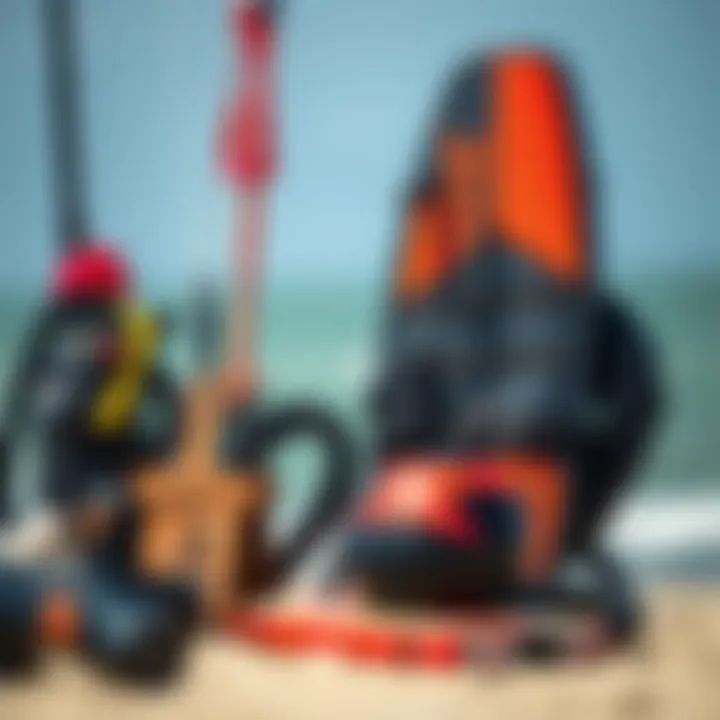
If you want to ride the waves without a hitch, you need the right gear. Here's a rundown of the must-haves:
- Kite: This is the most important part of your kit. For beginners, a smaller kite is usually preferable because it provides easier control. Popular models include the North Reach and Duotone Evo.
- Control Bar: This is what connects you to the kite. A adjustable control bar ensures that you can manage the kite's power according to your level.
- Board: A beginner's board is generally wider and flatter, providing stability. Look into models like the Slingshot Crisis or Airush Switch to get started.
- Safety Gear: A helmet and impact vest are important additions for beginners. Things can go wrong, and having these can help prevent injuries.
- Harness: This may be a seat or waist type, but it’s essential for connecting you to the kite. Consider testing different harnesses to find what feels best.
Advanced Equipment for Experienced Riders
As you progress, you might consider upgrading your gear. More experienced riders often opt for:
- Performance Kites: These kites offer better handling and speed, such as the Naish Pivot or Ozone Edge.
- Shorter Boards: As your skills improve, you might want to switch to a smaller board for better maneuverability.
- Foil Boards: For those looking to ride in lighter winds, foil boards can create lift and allow you to glide effortlessly.
Techniques and Tips
As much as having the right gear is important, having safe practices and techniques can ensure many enjoyable sessions ahead.
Safety Practices for Kiteboarding
Kitesurfing inherently involves risk, so safety should always be a rider's top priority. Here are some fundamental safety tips:
- Understand Wind Conditions: Know how to read the wind and choose a safe location for kitesurfing. Wind should be steady; too much gusting is not ideal.
- Always Use a Kite Leash: This equipment item ensures that you remain tethered to your kite, preventing loss in unexpected situations.
- Check Equipment Before Use: It’s wise to do a pre-flight check on your gear to ensure everything is working properly.
- Practice Self-Rescue Techniques: Before heading out, learn how to perform self-rescue maneuvers. It can save your skin and gear.
“Preparation is the key to success.” Understanding your equipment and environment is essential in kitesurfing.
Training Techniques to Improve Your Skills
Improvement in kitesurfing requires consistent practice and learning. Here are some tips:
- Take Lessons: Consider enrolling in a professional course instead of learning on your own. This can fast track your skills and ensure safe practices.
- Watch Tutorial Videos: Online platforms like YouTube offer a wealth of instructional content from seasoned riders.
- Practice Regularly: Like any sport, frequent practice is vital. Try to hit the water consistently to build muscle memory.
- Join a Community: Connect with local kitesurfing groups on platforms like Reddit or Facebook to share tips and arrange group outings. This sense of community can significantly enhance your learning experience.
Navigating the world of kitesurfing might feel like standing at the edge of a diving board, but with the right tools and knowledge, you can transition smoothly into a thrilling new lifestyle.
Understanding Kitesurfing
Kitesurfing, a vibrant adventure sport that combines aspects of surfing, sailing, and flying, has evolved into a thrilling activity enjoyed by many. Grasping the fundamentals of kitesurfing is crucial for anyone venturing into this wind-driven domain. Understanding how kitesurfing operates—its history, mechanics, and nuances—equips newcomers with a solid foundation, ensuring not only an enjoyable experience but also safety in this exhilarating environment.
The Evolution of Kitesurfing
Kitesurfing's roots extend back to the late 19th century, when pioneering minds experimented with kites for various forms of transportation. While early iterations were primarily used for traction on land or water, it wasn't until the late 1980s that the sport truly began to take off—both literally and figuratively. In this period, innovated designs emerged, such as the inflatable kite, which significantly shifted the paradigm.
The sport saw a rapid rise in popularity during the 1990s, driven by advancements in kite technology, manufacturing techniques, and a growing community of enthusiasts. Notably, brands like Naish and Cabrinha offered equipment that improved stability and ease of use, making kitesurfing more accessible to novice riders. Over the years, kitesurfing has continued to evolve, with the introduction of various styles, including freestyle and wave riding.
The Mechanics of the Sport
At its core, kitesurfing revolves around the basic principles of aerodynamics and hydrodynamics, where a kite generates lift to elevate the rider above the water. A kite harnesses the wind's energy, employing its size and shape to create sufficient lift. Understanding how the kite interacts with wind and water is essential.
The act of steering the kite is a dance between wind, kite movement, and rider dynamics. By pulling on the control bar, the rider can manipulate the kite’s angle in relation to the wind—this in turn affects the speed and direction of the rider on the board. Comprehending this balance of forces allows for a seamless integration between rider and kite.
Moreover, water conditions and wind patterns play a vital role in how one rides. A knowledgeable kitesurfer evaluates the environment, adjusting their equipment and technique accordingly.
"Kitesurfing is 10% gear and 90% understanding how to work with the wind and the water."
In essence, kitesurfing is not merely about harnessing wind but also about mastering the relationship between the kite, the water, and the rider. New learners must embrace these concepts, for they form the backbone of every rider's journey. Engaging with these foundational elements ensures a fulfilling experience and promotes safety on the water as you embark on your adventure.
Essential Components of a Kitesurfing Starter Kit
When it comes to kitesurfing, gathering the right equipment from the start can make all the difference in your experience. This part is like assembling the puzzle pieces of your kitesurfing adventure. Each component has its distinct role, shaping how you will interact with the wind and the water. A well-chosen starter kit sets the stage for safety, performance, and enjoyment.
Kite Types and Sizes
Types of Kites


Choosing the right type of kite is crucial. There are various designs, such as inflatable kites and foil kites, each serving different purposes. Inflatable kites are generally easier to launch and handle in various wind conditions. They provide a good balance of stability and maneuverability, making them a popular choice for beginners.
On the other hand, foil kites offer an efficient design that employs air pressure to create lift, which can be complex to control but offers exceptional performance once mastered. If you're planning on learning the ropes of kitesurfing, inflatable kites are often the way to go. They've got a solid reputation for reliability, especially if you're just starting out.
Choosing the Right Size
The size of your kite impacts your performance and safety. Generally, larger kites catch more wind but can be tricky in high winds, while smaller kites are better suited for stronger winds.
A cautious rule of thumb is to consider your weight, the wind conditions, and your skill level when picking a kite size. For instance, a lighter person in moderate winds might do well with a 10-meter kite, while a heavier rider might go for a 12-meter. Finding a balance here ensures a smoother and safer ride, allowing you to focus on mastering your skills.
Control Bar and Lines
Understanding Control Bar Functionality
The control bar is what links you to your kite and allows you to steer it. It consists of a horizontal bar that you hold onto, coupled with a depower mechanism that adjusts the kite’s power. This control mechanism makes it indispensable.
With the right control bar, you can respond quickly to environmental changes while maintaining control. It's not just any piece of equipment; it’s your lifeline on the water. Beginners should look for a bar that feels intuitive and responds to their movements seamlessly, empowering them during their learning phase.
Line Length Considerations
Line length heavily influences your kitesurfing experience. Most kitesurfers use lines that range from 20 to 30 meters. Longer lines can give you more power and speed, while shorter lines can give you better control. However, it’s important to note that longer lines make it more challenging to deploy the kite and manage power, especially for beginners.
Choosing line length ultimately rests on your riding style and the conditions in which you'll be kitesurfing. Properly matched lines enhance both safety and enjoyment, allowing you to channel your energy into improving your skills rather than struggling with equipment.
Harness Selection
Types of Harnesses
A harness connects your body to the wind power of the kite. The main varieties are waist harnesses and seat harnesses. While seat harnesses sit lower on the body and distribute the load across the hips, waist harnesses often offer greater freedom of movement, lending themselves well to tricks and manoeuvers.
Most beginners might find a waist harness more comfortable and less restrictive as they learn the basics. It can also prevent excess lift, which can be a common issue when starting out.
Fit and Comfort
Finding the right fit for your harness is essential for comfort and function. A harness that’s too tight might restrict movement, while one that’s too loose can potentially affect your control. Look for a harness that fits snugly but doesn’t pinch or squeeze.
Also, keep in mind that materials and padding vary. A harness with good padding can absorb shocks and provide a more comfortable experience. The key here is to try on different types and styles until you find one that feels just right.
Board Choices
Different Board Shapes and Sizes
Your board is your platform on the water, and choosing the right shape and size matters immensely. Twin-tip boards are common among beginners due to their versatility and ease of use, allowing riders to switch directions without turning around.
Shape preferences can also depend on riding style. For instance, a directional board may be better for those leaning into waves or focusing on freeride. Ultimately, it’s all about what suits your goals and comfort level.
Material Differences
Kitesurfing boards come in various materials, with the most prevalent being foam, fiberglass, and carbon fiber. Foam boards are often more buoyant and forgiving, which is helpful for beginners as they navigate the learning curve.
While carbon fiber boards may be lighter and stiffer, they can be pricier and less forgiving if you’re just getting into the sport. Understanding these materials can help beginners make informed choices that align with their skills and progress.
Looking into each of these components is essential for any beginner seeking joy out of kitesurfing. Whether it's determining the right kite size or understanding the importance of a fitting harness, each element directly contributes to your safety and enjoyment on the water.
Safety Equipment and Practices
Safety in kitesurfing cannot be overstated. It goes hand in hand with enjoyment and skill development. For beginners, the thrill of speeding across the water under a colorful kite can often overshadow the importance of safety equipment and protocols. However, understanding and implementing these practices is crucial for a pleasant experience, one that keeps you coming back for more.
Identifying Essential Safety Gear
Impact Vests
Impact vests are designed to protect kitesurfers from the often-unforgiving nature of the sport. These vests cushion blows during falls, which are a common occurrence especially for novices still mastering their balance. A key characteristic of impact vests is their buoyancy; they can provide some lift in the water, reducing the chances of injury during unexpected landings. This element makes them highly valued among users.
One unique feature to note is their ergonomic design. They are fitted to snugly hug the body without impeding movement, enabling kitesurfers to carve and maneuver with ease. The advantage here is clear: protection without sacrificing freedom of motion. Yet, some might feel they add bulk. But the reassurance of safety is well worth the trade-off.
Helmets
Helmets remain a fundamental element in safeguarding kitesurfers, especially when venturing into more challenging conditions or when tackling tricky maneuvers. A key trait of helmets tailored for kitesurfing is their lightweight construction coupled with a low profile, an essential characteristic that allows for comfort and unrestricted visibility.
An interesting feature of many modern helmets is their chin straps, designed to keep the helmet securely in place even in turbulent waters. This reliability is critical—should a mishap occur and you hit the water, the last thing you want is your helmet becoming an addition to the ocean floor. The advantage here is clear: it allows you to focus on your ride instead of worrying about head safety.


Certainly, a downside might be the discomfort some may feel when wearing a helmet for prolonged periods, particularly on hot days. However, when safety is placed first, it becomes easier to adapt.
Understanding Safety Protocols
Safety protocols are the framework upon which the thrill of kitesurfing rests. Understanding these protocols means you're not only preparing yourself for the best experience but also safeguarding those around you.
- Always check your gear before a session. A quick inspection can prevent gear failure, which can lead to serious accidents.
- Learn to identify wind patterns. Knowledge of local winds aids in avoiding hazardous situations like sudden gusts or lulls.
- Know your riding area and its currents. Familiarity with water and weather conditions helps you make informed decisions.
In essence, prioritizing safety is not merely a recommendation; it's a necessity. With the right equipment and practices, you’ll find that kitesurfing transitions from a heart-pounding adventure to a rewarding sport where the risk is thoughtfully managed.
Environmental Considerations
Environmental factors play a crucial role in kitesurfing, as they can drastically influence both the safety and enjoyment of the sport. Understanding these elements ensures not only a better performance but also a more sustainable approach to engaging with natural settings. Wind and water conditions are the primary factors that every kitesurfer must familiarize themselves with to navigate their experiences effectively.
Wind Conditions and Their Impact
Understanding Wind Patterns
First and foremost, the wind is the lifeblood of kitesurfing. Understanding wind patterns can inform you when it’s the right time to hit the water. Essentially, these patterns represent how the wind behaves over time and in different locations, influenced by geographical features like mountains and bodies of water. The key characteristic of wind patterns is their consistency; rather than erratic gusts, predictable winds allow for a smoother experience. This predictability makes it easier for beginners to understand the sport and helps advanced riders refine their skills.
The unique feature of understanding wind patterns is that it allows individuals to select optimal times for kitesurfing and to choose appropriate locations. Being aware of where and how the wind tends to blow in different spots can prevent dangerous situations and enhance overall progress in skill development. However, weaknesses include the potential for misinformation if relying solely on apps or forecasts without checking local conditions firsthand.
Identifying Ideal Conditions
Once you grasp wind patterns, the next step is learning to identify ideal conditions for kitesurfing. Ideal wind conditions typically fall between 12 to 25 knots for most beginners, allowing for a comfortable experience. The significance of knowing these conditions lies in maximizing safety and performance; both underpowered and overpowered situations can lead to a loss of control, particularly for those who are just getting started.
A unique aspect of identifying ideal conditions is that they encompass both wind strength and direction. Strong, direct offshore winds could create challenging scenarios, while cross-shore winds offer a perfect playground. The downside, however, is that what might seem ideal for one person could be overwhelming for another based on individual skill levels—a factor that beginners need to consider carefully.
Water Conditions
Importance of Water Depth
Apart from wind, water conditions influence kitesurfing as well. One pivotal aspect is the depth of the water; it’s vital for both safety and maneuverability. Shallow waters less than three feet deep might not only be dangerous if you fall, but they can also lead to damage to the equipment. Conversely, deeper waters allow for greater freedom of movement.
The crux here is that knowing the importance of water depth can drastically affect your kitesurfing experience. This helps you avoid hazards like rocks or marine life that could be lurking beneath the surface. However, while deeper waters are generally better, they can also be harder to assess for currents which brings us to our next consideration.
Assessing Currents
Lastly, it's crucial to evaluate currents which can shift the focus from riding to survival. Currents can range from mild and manageable to complex and dangerous, and understanding them is essential for safety. Knowing how to analyze water currents helps kitesurfers to make informed decisions about their riding area. Current assessment ensures that riders are always aware of their surroundings and can mitigate risks effectively.
The biggest challenge in assessing currents lies in their variability; conditions can change quickly, especially as the tide comes in or goes out. Some currents can tug unexpectedly and pull you far off course, making awareness not just beneficial but essential.
Always keep your safety in mind by checking both wind and water conditions prior to engaging in kitesurfing.
Kitesurfing Lessons and Training
Kitesurfing can make your heart rush in the most exhilarating way, but diving into this sport without a solid grounding in lessons and training is like jumping into deep water without knowing how to swim. Ideally, proper training is not just about learning the ropes (or lines, in this case); it’s about ensuring your safety, skill development, and ultimately, your enjoyment of the sport. This section will cover the significance of lessons, how to find qualified instructors, and the journey through skill progression that every kitesurfer should take.
Finding Qualified Instructors
One of the first steps for anyone keen on kitesurfing is to seek out qualified instructors. Why is this pivotal? Well, learning from experienced instructors can be the difference between a fun day on the water and a troublesome one—each goes hand in hand with safety assessments and skill development.
When looking for instructors, it's essential to verify their certifications. Many countries and regions have governing bodies that evaluate and certify kitesurfing instructors. Look for instructors who are certified by organizations like the International Kiteboarding Organization (IKO) or the Professional Air Sports Association (PASA). These seals of approval signify that the instructors have undergone rigorous training and have a deep understanding of the sport’s nuances.
Furthermore, personal recommendations can carry a lot of weight. Ask around in local kitesurfing hubs or online communities, such as r/kitesurfing on Reddit, to find instructors who have a good reputation.
Keep an eye on other factors:
- Location: Does the instructor operate in safe, ideal kitesurfing spots?
- Class Size: Smaller groups tend to provide more personalized instruction.
- Experience Level: Does the instructor have experience with beginners and advanced riders?
Progressing Through Skill Levels
Once you've found a qualified instructor and engaged in lessons, you’ll start your journey of progressing through the skill levels. It’s crucial to approach this incrementally—it’s all too common to feel pressured to rush, but mastery takes time.
Initially, lessons will focus on the fundamentals, such as:
- Kite Control: Understanding how to handle your kite while it’s on the ground and in the air is paramount.
- Body Dragging: You’ll learn how to use the kite to pull yourself through the water without the board.
- Water Starts: Mastering the technique of getting up on the board is another key phase.
Once these basics are digested, you’ll progress to more advanced maneuvers like jumps, tricks, and even riding in different wind conditions. Each stage introduces complexity and increases confidence. It’s important to practice consistently, as muscle memory plays a significant role in kitesurfing.
"Patience and practice are the twin pillars of success in kitesurfing."


In your journey, logging your sessions and reflecting on what you’ve learned can provide clarity and motivation. This self-accountability empowers you to seek feedback from your instructors and peers, pushing you further along your learning curve.
Being part of local kitesurfing communities, whether on Facebook or specialized forums, can also be beneficial. You'll find support, shared tips, and might even team up with others at your skill level to practice.
Ultimately, effective training and skill progression create a solid foundation for safely enjoying kitesurfing to the fullest.
Maintenance and Care of Equipment
Taking care of your kitesurfing equipment is as essential as picking the right gear for your start in this sport. Proper maintenance can mean the difference between a smooth ride and an unwanted hiccup in your adventure. Equipment that’s looked after holds its value better and performs reliably, ensuring memorable experiences on the water, rather than frustrating headaches.
Besides that, regular maintenance can prevent injuries. A well-kept board, for example, reduces the scrutiny of having to navigate unexpected problems. Thus, honing a routine around looking after your gear is a vital part of embracing the kitesurfing lifestyle.
Routine Inspections
Routine inspections involve checking your equipment not only before each use but also during seasonal changes. Given how unpredictable the elements can be, making this a habit will save you from unpleasant surprises.
Here’s a checklist to remember during your inspections:
- Kite Canopy: Look for any tears or punctures. Even small holes can affect performance and safety.
- Lines: Ensure they’re untangled and free from frays. Damaged lines can snap, so look for any signs of wear.
- Control Bar: Inspect the safety system and ensure that all components function properly. A faulty control bar can lead to dangerous situations.
- Board: Check the fins, foot straps, and overall structure. Any cracks or loose components can lead to instability while riding.
Regular checks like these don’t require a specialized toolkit; just a basic eye for detail can go a long way. It’s not just about maintaining your equipment—it's about your health and safety.
Proper Storage Techniques
The storage of your kitesurfing gear is as crucial as its initial care and maintenance. Improper storage can lead to degradation and breakdown, which is something no kiteboarder wants to deal with on a glorious day at the beach.
Here are several important techniques for properly storing your kitesurfing equipment:
- Dry Everything: Before storing your kite and gear, ensure they are completely dry. Moisture can lead to mold and mildew—definitely not what you want!
- Cool, Dark Place: Store your equipment in a cool, shaded area. Sunlight can cause fading and weaken the fabric over time, which is a bummer for your sessions.
- Avoid Heavy Loads: When placing your board and kite in storage, avoid stacking heavy items on them, as this can warp and damage the structure.
- Unroll the Kite: Keeping the kite rolled up improperly can lead to creases that weaken the material. Spread it out to keep it in the best shape possible.
Good storage habits can truly prolong the lifespan of your gear. Remember, before you know it, those items can take a beating just being stored.
Proper maintenance and care of kitesurfing equipment lay the foundation for enjoyable outings. By establishing these routines and storage techniques, you arm yourself with knowledge that keeps your adventures both safe and thrilling. For more in-depth tips and community advice, consider visiting forums on Reddit or checking resources like Wikipedia on Kitesurfing.
Community Involvement
Diving into kitesurfing isn't just about mastering the waves and winds; it's also about connecting with a vibrant community. Engaging with fellow kitesurfers offers a plethora of benefits that can significantly enhance your experience, whether you’re just starting out or looking to refine your skills. Community involvement fosters a sense of camaraderie, providing a support network that can help both novices and seasoned riders navigate the nuances of the sport.
Connecting with Other Kitesurfers
Building connections with other kitesurfers can be as crucial as picking the right gear. Local kitesurfing communities exist in almost every coastal area, and joining these groups can open doors to friendships and mentorship opportunities. Think of it as building your very own crew, making your kitesurfing journey much more enjoyable and enriched.
Benefits of connecting with fellow kitesurfers include:
- Knowledge Sharing: Local riders can share their expertise regarding the best spots, wind conditions, and the setup that works best for certain areas.
- Skill Enhancement: Observing and learning from those with more experience can help you refine your technique and tackle challenges more efficiently.
- Safety In Numbers: Riding with a group can enhance safety, as you can look out for one another and assist if anything goes awry.
- Socializing and Fun: Let's face it, having company on the water can add a whole new layer of excitement. It transforms what might be a solitary sport into an engaging social experience.
You might discover community workshops or training sessions where experienced kitesurfers volunteer their time to help newbies get on the board with confidence. Engaging in online forums like Reddit or Facebook groups dedicated to kitesurfing can also provide insightful tips and facilitate connections. Remember, it’s about building relationships in the wind and waves.
Participating in Local Events
Participating in local kitesurfing events can elevate your experience beyond just hitting the waves. Events range from competitions to fun gatherings, and they serve as excellent opportunities to immerse yourself in the kitesurfing culture. Plus, these events often highlight the latest gear and techniques, giving participants a front-row seat to advancements in the sport.
Consider these advantages of taking part in local kitesurfing events:
- Networking: It’s a chance to meet riders from different skill levels and backgrounds, opening doors for discussions and partnerships.
- Skill Development: Events often include clinics or workshops that provide personalized feedback. This could be invaluable in helping you sharpen your technique or learn new tricks.
- Showcase Your Skills: For those who want to step out of the shadows and into the spotlight, competitions can be a great way to put your skills to the test and gain recognition.
- Community Growth: Involvement fosters the growth of the local kitesurfing culture. The more participation, the more likely these events will continue, benefitting everyone involved.
If you’re interested in kitesurfing events, check platforms like https://www.kiteforum.com for upcoming competitions or community meetups. Local schools or shops often post events on their social media pages as well.
Engaging with the kitesurfing community through networking and participating in events enriches your experience, ensuring you ride not just the waves but also the lively currents of camaraderie and passion that define this exhilarating sport.
Finale
In concluding this guide on kitesurfing essentials, it’s vital to emphasize several key elements that prospective kiteboarders need to consider. Kitesurfing is not just a sport; it's a blend of skill, technology, and nature's whims. Understanding how to navigate these facets is crucial for enjoying the water in a safe manner.
Recap of Essential Knowledge
To recap what has been covered, a comprehensive understanding of your kitesurfing starter kit is paramount. This includes:
- Kite Gear: Knowing the types of kites and the right size based on conditions.
- Control Equipment: Mastering how to use the control bar and lines for effective maneuvering.
- Safety Equipment: Always prioritizing safety gear like helmets and impact vests to protect against unexpected falls.
- Environmental Insight: Recognizing wind and water conditions can often mean the difference between a thrilling ride and a hazardous one.
Remember that preparation and knowledge are your best friends in this exhilarating sport.
Encouragement for Beginners
To those staring their journey into the kitesurfing world, take heart. Every expert was once a beginner, and everyone had to start from square one. The learning curve might seem steep, but the reward is worth the climb. Don’t rush the process. Instead, focus on mastering your basics, respect the elements, and lean on the community—there are numerous kitesurfers eager to share advice and insights.
Remember, join local groups on platforms like Facebook or forums on Reddit to deepen your knowledge and meet fellow enthusiasts. With practice, patience, and passion, you will surely find yourself harnessing the wind with skill and grace.